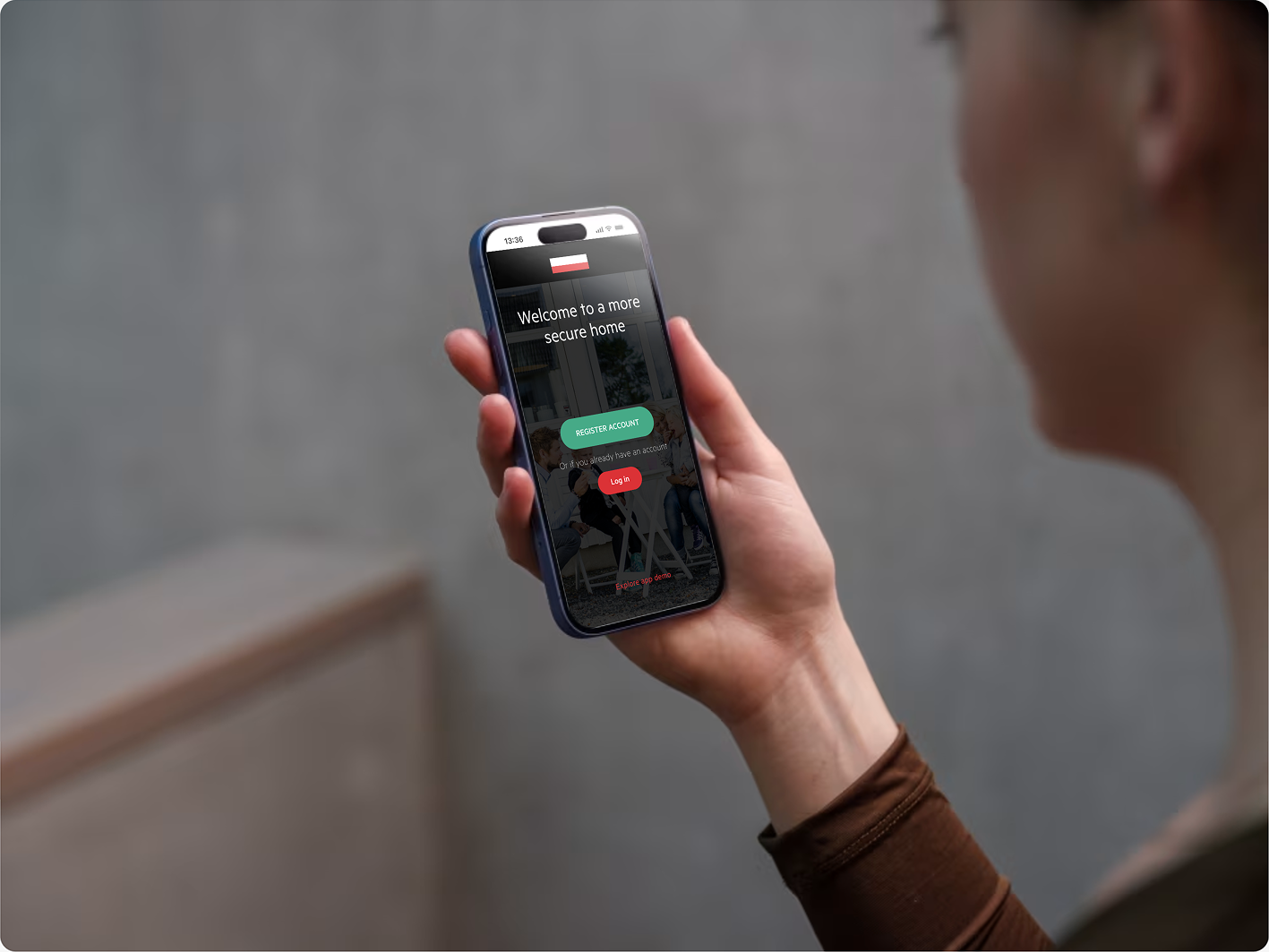
Designing Self-Service Onboarding for Home Security
Client
Sector Alarm AS
Industry
Security & Home Technology
Role
Senior Design Consultant
Duration
3 months
Services
UX Design, UI Design, UX Writing
The Problem
My client's onboarding process wasn't scalable. Thousands of customers per month across multiple countries were purchasing home security systems, but getting set up required significant manual intervention.
A dedicated team manually inputted customer details into the system. Installation engineers sometimes performed digital system setup during site visits, but this was expensive—engineering skills were better used on physical installation work rather than app configuration.
The company needed customers to handle onboarding themselves through the app, saving time and cost while allowing staff to focus on more valuable work.
Designing Complex Onboarding Flows
Over three months, I designed self-service flows for three critical processes:
New customer registration — Account creation, verification via SMS and email, and linking to their customer number
Installation booking — Selecting installation dates based on engineer availability, confirming attendance, providing property details and access instructions, and adding property contacts for people who'd be present
System setup — Post-installation configuration including naming the system, adding family members (to inform security services who might be in the household), setting emergency contacts, and establishing verification words for identity confirmation when contacting support
The challenge was designing for flexibility without restricting what customers could do. Multi-generational family setups, contact persons based far away, different permission levels—the flows needed to accommodate real-world complexity while remaining straightforward.
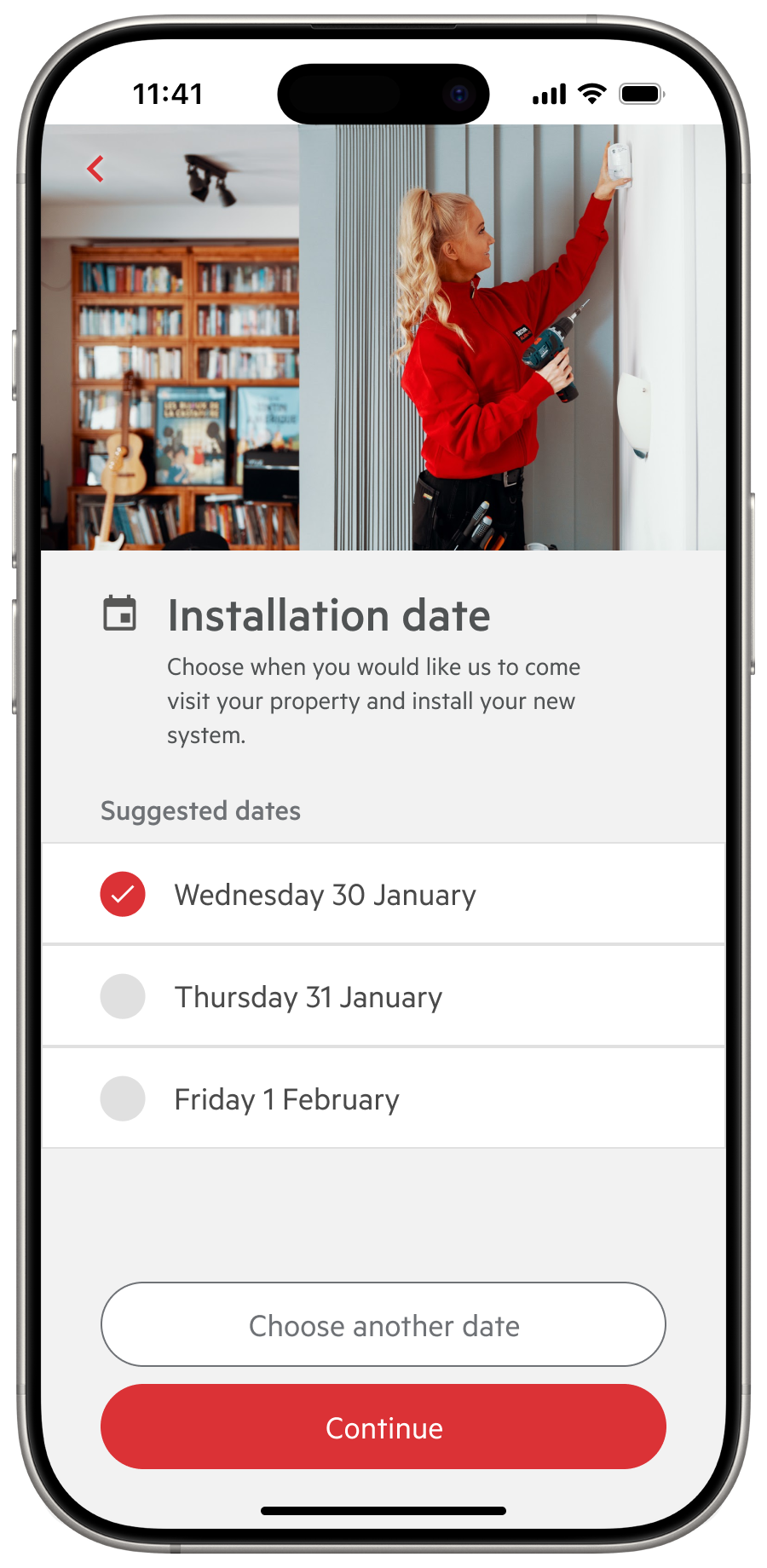
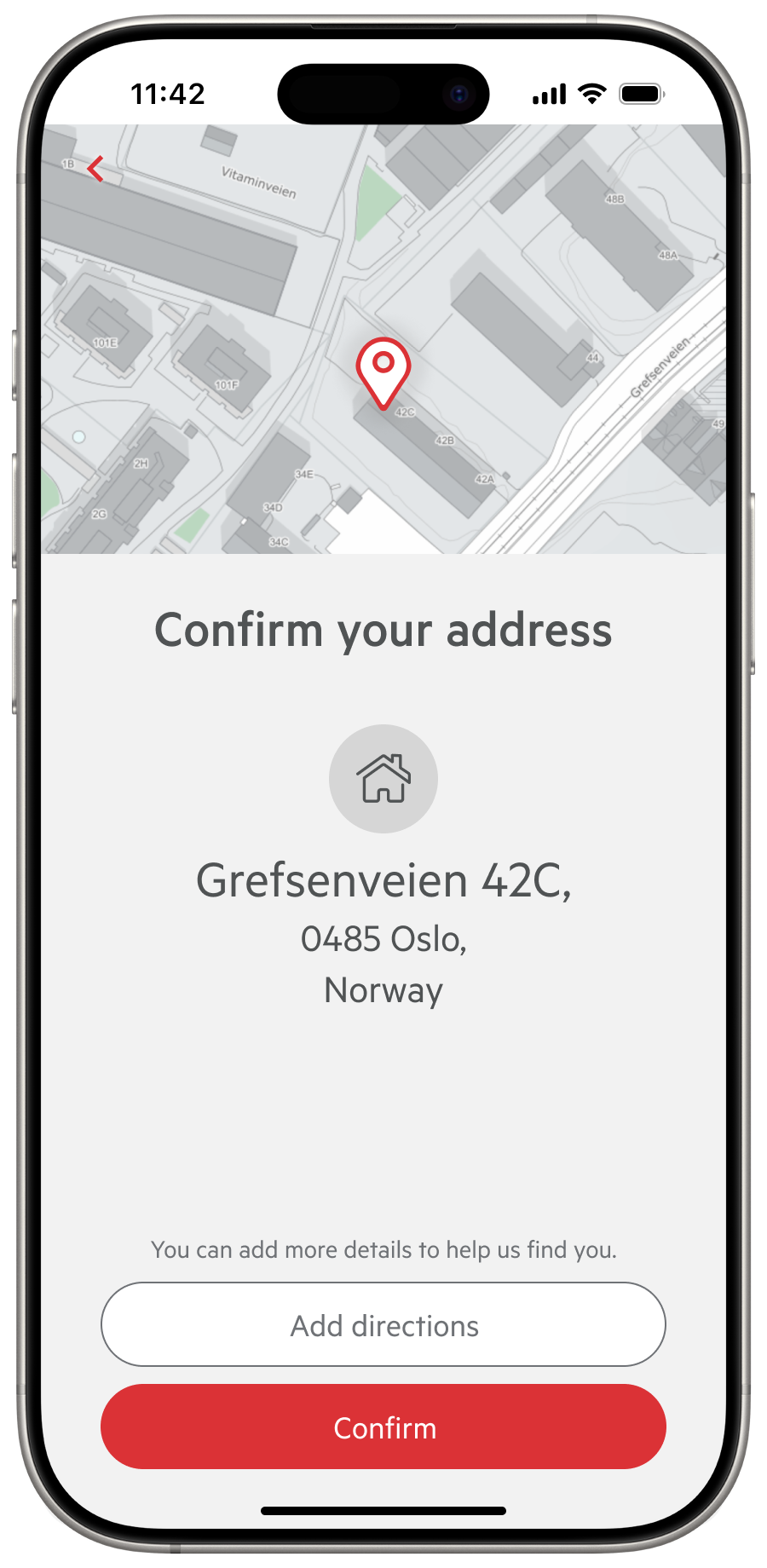
Establishing Tone of Voice
The app already had basic design language and tokens, but lacked consistent guidance copy. I defined a tone of voice for walking customers through setup processes.
This was critical for two reasons: customers needed clear, confidence-building instructions for security-related tasks, and the copy had to be straightforward enough for accurate translation across multiple countries.
The tone balanced being helpful without being patronising, and specific without being overly technical.
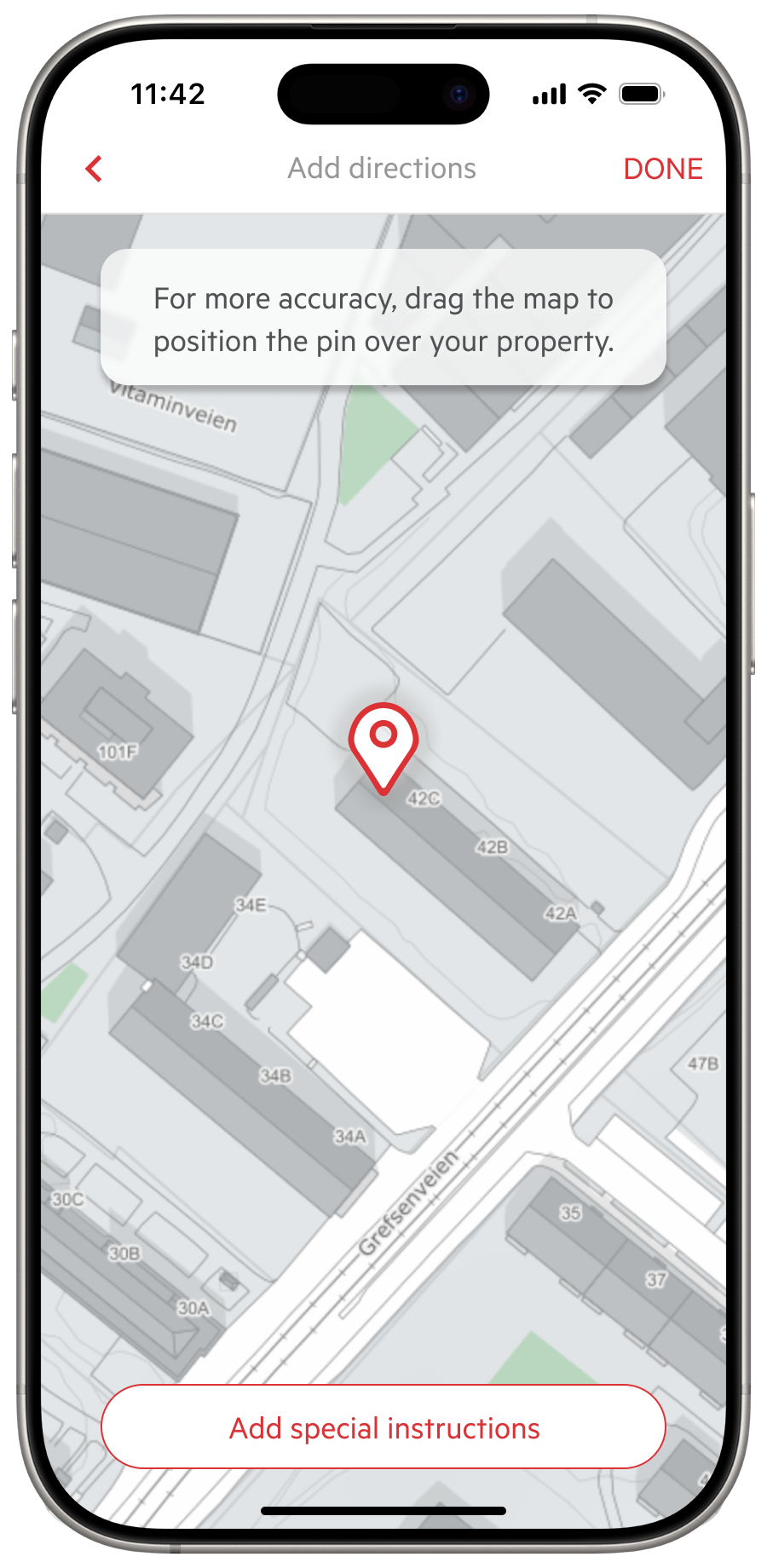
Working Directly with Developers
I worked closely with a small development team, often collaborating in person. I produced wireframes using existing UI components, described feature requirements in detail, and reviewed implementation quality as features were built.
The designs were based on requirements discovered through previous user research and the product manager's domain knowledge. This allowed us to move quickly without additional validation cycles.
Outcomes
The features were developed and shipped shortly after I completed my contract. By enabling self-service onboarding, the company reduced the workload on dedicated input teams and freed engineers to focus on installation work rather than digital configuration.
Thousands of customers per month could now register, book installations, and configure their systems independently, while those needing support still had options for assistance.
What This Required
Complex flow design. Creating multi-step processes that accommodated real-world complexity (multi-generational families, remote contacts, varying permission levels) while remaining usable.
Tone of voice definition. Establishing guidance copy that built confidence for security-related tasks and translated accurately across countries.
Rapid execution. Working directly with developers to ship quality features within a three-month timeframe.
Balancing efficiency with flexibility. Enabling self-service without forcing it on customers who preferred human assistance.